
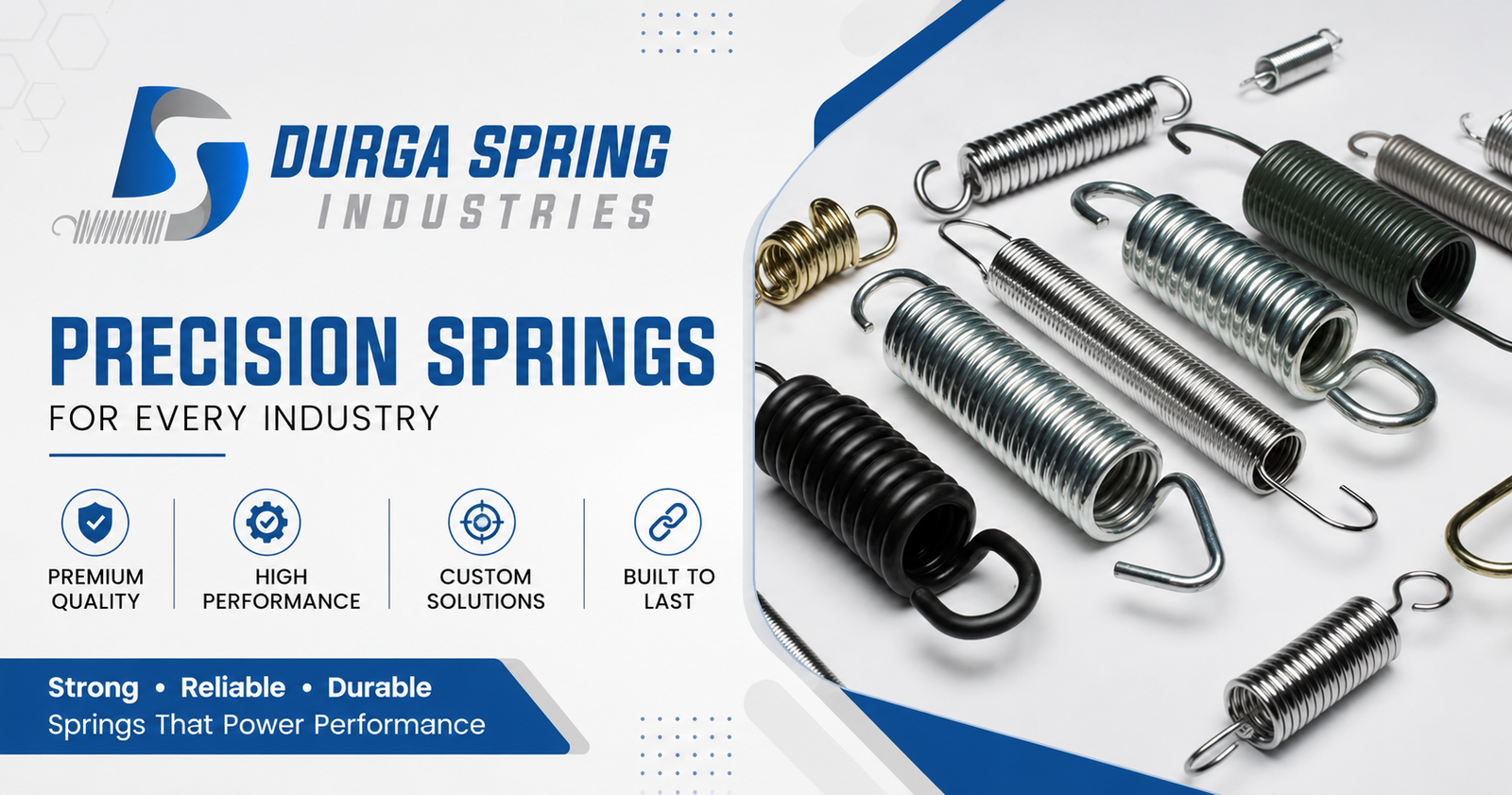
Tension Spring Maintenance: Extend Lifespan and Ensure Performance
Tension springs are crucial components in countless applications, from everyday objects to complex industrial machinery. Ensuring their proper maintenance is key to their reliable performance and longevity. This guide delves into essential tension spring maintenance practices, offering insights to help you keep your springs in optimal working condition.
Tension springs, also known as extension springs, store energy when stretched and exert a pulling force. Their reliable operation is critical across various sectors, including automotive, electronics, valves, and even medical devices. However, like any mechanical component, they are susceptible to wear and failure over time. Proactive and proper tension spring maintenance can significantly extend their service life, prevent costly downtime, and ensure the safety and efficiency of the systems they are part of. With 15 years of experience in manufacturing precision springs, including tension springs, Durga Spring Industries understands the importance of component reliability.
This comprehensive guide will walk you through the critical aspects of maintaining tension springs, covering inspection, protection, proper handling, and understanding common failure modes. By implementing these practices, you can ensure your tension springs continue to function as intended, delivering the required pulling force and operational integrity.
Why Tension Spring Maintenance Matters ?
Neglecting tension spring maintenance can lead to a cascade of problems. The primary goal of maintenance is to prevent failure and maintain the spring's designed functionality. Here’s why it's so important:
- Preventing Unexpected Breakdowns: A broken tension spring can halt an entire production line or cause a critical system failure, leading to significant financial losses and safety hazards.
- Ensuring Consistent Performance: Springs degrade over time, losing their tension or becoming fatigued. Regular maintenance helps maintain their specified load and extension characteristics.
- Extending Service Life: Proper care, including protection from environmental factors and avoiding overload, can dramatically increase the lifespan of a tension spring, delaying replacement costs.
- Maintaining Safety Standards: In applications where springs are used for safety mechanisms or critical functions, their failure can have severe consequences.
- Optimizing Efficiency: Well-maintained springs contribute to the overall efficiency and reliability of the machinery or product they are integrated into.
Common Tension Spring Failure Modes ?
Understanding how tension springs typically fail is the first step in preventing these issues. The most common causes include:
- Corrosion: Exposure to moisture, chemicals, or harsh environments can lead to rust and degradation of the spring material, weakening its structure.
- Fatigue: Repeated cycles of stretching and retracting under load can cause microscopic cracks to form and grow, eventually leading to fracture.
- Overloading: Exceeding the spring's designed tensile strength or extension limit can cause permanent deformation (set) or immediate breakage.
- Misalignment: Improper installation or operation where the spring is not pulled in a straight line can introduce uneven stress, leading to premature wear or breakage.
- Wear and Abrasion: Friction against other components or abrasive environments can wear down the spring material.
- Incorrect Installation: Straining the spring during installation or attaching it incorrectly can pre-load it unevenly or create stress points.
Essential Tension Spring Maintenance Practices ?
Implementing a consistent maintenance schedule is crucial. Here are key practices to follow:
1. Regular Inspection ?
Periodically inspect tension springs for any visible signs of damage. Look for:
- Cracks or fractures, especially near the ends or hooks.
- Deformation or permanent stretching (loss of original length when relaxed).
- Signs of corrosion, rust, or pitting on the surface.
- Wear marks or damage to the surface finish.
- Loose or damaged hooks or end loops.
Address any anomalies immediately. Small issues, if ignored, can quickly escalate into major failures.
2. Corrosion Protection ??
Corrosion is a primary enemy of spring longevity. To mitigate this:
- Material Selection: Choose spring materials appropriate for the operating environment. Stainless steel or springs with specialized coatings offer better corrosion resistance. Durga Spring Industries can advise on suitable materials for your application, handling wire sizes from 0.15mm to 10.00mm.
- Protective Coatings: Consider applying plating (like zinc or nickel) or powder coating for added protection against moisture and chemicals.
- Environmental Control: If possible, operate and store springs in environments with controlled humidity and minimal exposure to corrosive substances.
3. Proper Lubrication ?
Lubrication reduces friction between coils as the spring stretches and compresses, minimizing wear. Ensure you use a lubricant compatible with the spring material and the surrounding environment.
- Apply a thin, even layer. Avoid over-lubrication, which can attract dirt and debris.
- Reapply lubricant as per maintenance schedules or when signs of dryness appear.
4. Load and Cycle Management ??
Tension springs have a defined load capacity and a finite fatigue life (number of cycles). Respect these limits:
- Avoid Overloading: Never exceed the spring's maximum recommended load or extension. Consult manufacturer specifications or perform load testing.
- Manage Cycling: Minimize unnecessary stretching or high-frequency cycling if possible. For applications requiring extensive cycling, consider springs designed for high fatigue resistance.
- Controlled Operation: Ensure the mechanism ensures smooth, controlled stretching and retraction, avoiding sudden jerks or impacts.
5. Correct Installation and Handling ?
The way a spring is installed and handled significantly impacts its performance and lifespan:
- Alignment: Ensure the spring is installed to pull in a straight line, parallel to the axis of intended force. Misalignment induces uneven stress.
- Attachment: Securely attach the spring ends to their anchor points without deforming the end loops or introducing extra stress.
- Careful Handling: Avoid dropping, kinking, or sharply bending springs during installation or storage.
6. Cleaning Procedures ?
Regular cleaning can help prevent the buildup of dirt and corrosive agents:
- Use mild cleaning agents and water. For tougher grime, consult material compatibility.
- Ensure the spring is thoroughly dried after cleaning to prevent rust.
- For springs requiring a specific surface finish, abrasive cleaning methods should be avoided as they can compromise precision.
7. Storage Guidelines ?
Proper storage of unused springs prevents damage before they are even put into service:
- Store springs in a dry, temperature-controlled environment.
- Keep them in their natural, relaxed state to avoid pre-stressing.
- Organize them to prevent tangling or damage.
Durga Spring Industries: Your Partner in Precision Springs
With 15 years of dedicated experience in manufacturing high-quality precision springs, Durga Spring Industries is equipped to meet your needs. Located in Ahmedabad, Gujarat, India, we utilize advanced CNC machines and automation technology to produce a wide array of springs, including robust tension springs. Our capabilities allow us to handle wire sizes ranging from 0.15mm to 10.00mm, ensuring precision and quality for every component. While we specialize in manufacturing, understanding the operational environment and potential maintenance needs of our springs is part of our commitment to delivering reliable solutions. We can produce over 2.1 million springs monthly, demonstrating our capacity to handle large-scale requirements.
Frequently Asked Questions (FAQ) ?
Q1: How often should I inspect my tension springs?
A1: Inspection frequency depends on the application's criticality and operating environment. For heavily used or safety-critical springs, monthly or quarterly inspections are recommended. For less critical applications, a biannual check might suffice. Always consult your equipment's manual or a qualified technician.
Q2: What is the most common cause of tension spring failure?
A2: Corrosion and fatigue are among the most common causes. Corrosion weakens the material over time, while repeated stress cycles lead to fatigue, eventually causing the spring to break.
Q3: Can I repair a tension spring that has lost its tension?
A3: Generally, no. A loss of tension typically indicates material fatigue or permanent deformation, which cannot be reliably repaired. It's best to replace the spring to ensure consistent performance and safety.
Q4: What type of lubricant is best for tension springs?
A4: The best lubricant depends on the spring material and the operating environment. General-purpose machine oils or greases are often suitable, but ensure they are compatible and won't degrade the spring material or attract excessive contaminants.
Q5: How can I prevent my tension springs from rusting?
A5: Use corrosion-resistant materials like stainless steel, apply protective coatings (plating or powder coating), ensure proper lubrication, and store springs in a dry environment. Avoid prolonged exposure to moisture and corrosive chemicals.
Ensure Your Operations Run Smoothly
Maintaining the integrity of your tension springs is vital for the efficiency and safety of your operations. For high-quality, precision-manufactured tension springs tailored to your specific requirements, trust the expertise of Durga Spring Industries. With our advanced manufacturing capabilities and commitment to quality, we can supply the reliable springs your applications demand.
Contact Durga Spring Industries today to discuss your precision spring needs.
Visit Our Website